How to Brew the Perfect Cup of Coffee at Home
- badaruwebssite
- Apr 15
- 3 min read
Coffee lovers know that brewing the perfect cup of coffee at home can be a delightful experience. With the right techniques and tools, you can elevate your daily brew from ordinary to extraordinary. This guide will walk you through the essential steps to create a delicious cup of coffee that suits your taste preferences.
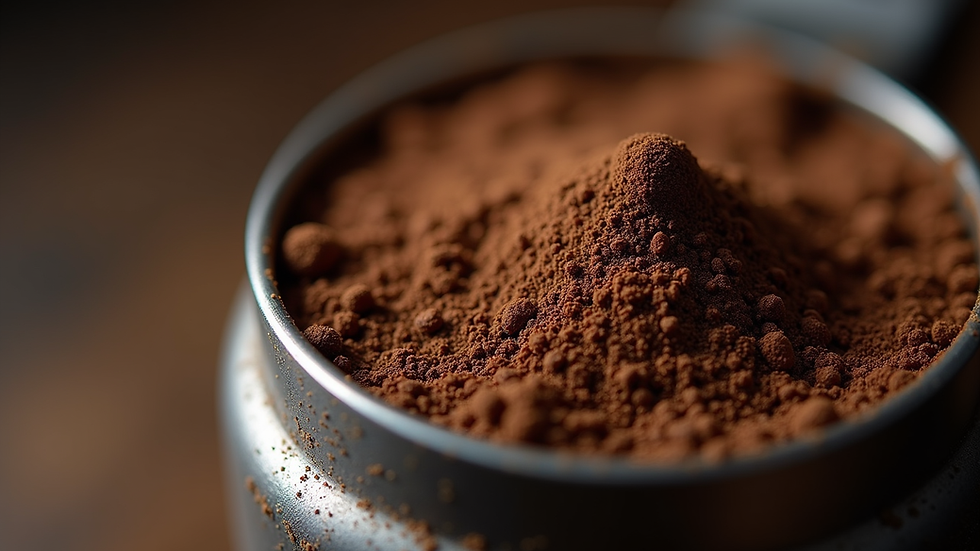
Understanding Coffee Beans
Before diving into the brewing process, it's crucial to understand the foundation of your coffee: the beans. Coffee beans come in various types, with Arabica and Robusta being the most common.
Arabica vs. Robusta
Arabica: Known for its smooth, mild flavor and aromatic qualities. Arabica beans are often considered higher quality and are grown at higher altitudes.
Robusta: These beans have a stronger, more bitter taste and contain more caffeine. They are typically used in espresso blends and instant coffee.
When selecting your coffee beans, consider the following:
Freshness: Always choose freshly roasted beans. Look for a roast date on the packaging.
Grind Size: The grind size affects extraction. For example, a coarse grind is ideal for French press, while a fine grind works best for espresso.
Essential Brewing Equipment
To brew the perfect cup of coffee, you need the right equipment. Here are some essential tools:
Coffee Grinder: A burr grinder is preferred for consistent grind size.
Coffee Maker: Options include drip coffee makers, French presses, pour-over devices, and espresso machines.
Scale: A digital scale ensures accurate measurements of coffee and water.
Kettle: A gooseneck kettle allows for precise pouring control, especially for pour-over methods.
The Brewing Process
Now that you have your beans and equipment ready, let's explore the brewing process step by step.
Step 1: Measure Your Coffee and Water
The ideal coffee-to-water ratio is generally 1:15 to 1:18, depending on your taste preference. For example, if you're using 20 grams of coffee, you should use 300 to 360 grams of water.
Step 2: Grind Your Coffee
Grind your coffee just before brewing to preserve its freshness. Adjust the grind size based on your brewing method:
Coarse: French press
Medium: Drip coffee maker
Fine: Espresso machine
Step 3: Heat Your Water
The optimal brewing temperature for coffee is between 195°F and 205°F (90°C to 96°C). If you don't have a thermometer, bring your water to a boil and let it sit for 30 seconds to reach the ideal temperature.
Step 4: Brew Your Coffee
Here are some popular brewing methods:
French Press
Add coarsely ground coffee to the press.
Pour hot water over the coffee grounds.
Stir gently and let it steep for 4 minutes.
Press the plunger down slowly and pour.
Pour-Over
Place a filter in the dripper and rinse it with hot water.
Add medium-ground coffee to the filter.
Slowly pour hot water over the coffee in a circular motion.
Allow the coffee to drip through completely.
Espresso
Pack finely ground coffee into the portafilter.
Lock the portafilter into the espresso machine.
Start the brew cycle and extract for about 25-30 seconds.
Enhancing Your Coffee Experience
Once you've brewed your coffee, consider these tips to enhance your experience:
Experiment with Flavors: Add spices like cinnamon or nutmeg, or try flavored syrups.
Milk and Cream: Experiment with different types of milk (dairy, almond, oat) to find your favorite combination.
Temperature: Enjoy your coffee at the right temperature. Let it cool slightly before sipping to appreciate the flavors fully.
Troubleshooting Common Issues
Even the best coffee brewers encounter problems. Here are some common issues and solutions:
Bitter Coffee: This can result from over-extraction. Try using a coarser grind or reducing the brewing time.
Weak Coffee: If your coffee tastes weak, increase the coffee-to-water ratio or use a finer grind.
Sour Coffee: This often indicates under-extraction. Ensure your water temperature is hot enough and extend the brewing time.
Cleaning Your Equipment
To maintain the quality of your coffee, regularly clean your equipment. Residue can affect the taste of your brew. Here’s how to clean common items:
Coffee Grinder: Use a brush to remove coffee grounds and run a few tablespoons of rice through the grinder to absorb oils.
Coffee Maker: Run a mixture of equal parts water and vinegar through the machine, followed by a few cycles of plain water.
French Press: Disassemble and wash all parts with warm soapy water.
Conclusion
Brewing the perfect cup of coffee at home is an art that combines quality ingredients, the right equipment, and careful technique. By understanding your coffee beans, using the right tools, and mastering the brewing process, you can enjoy a delicious cup that rivals your favorite café.
Take the time to experiment with different beans, brewing methods, and flavors to find what you love most. Happy brewing!
Comments